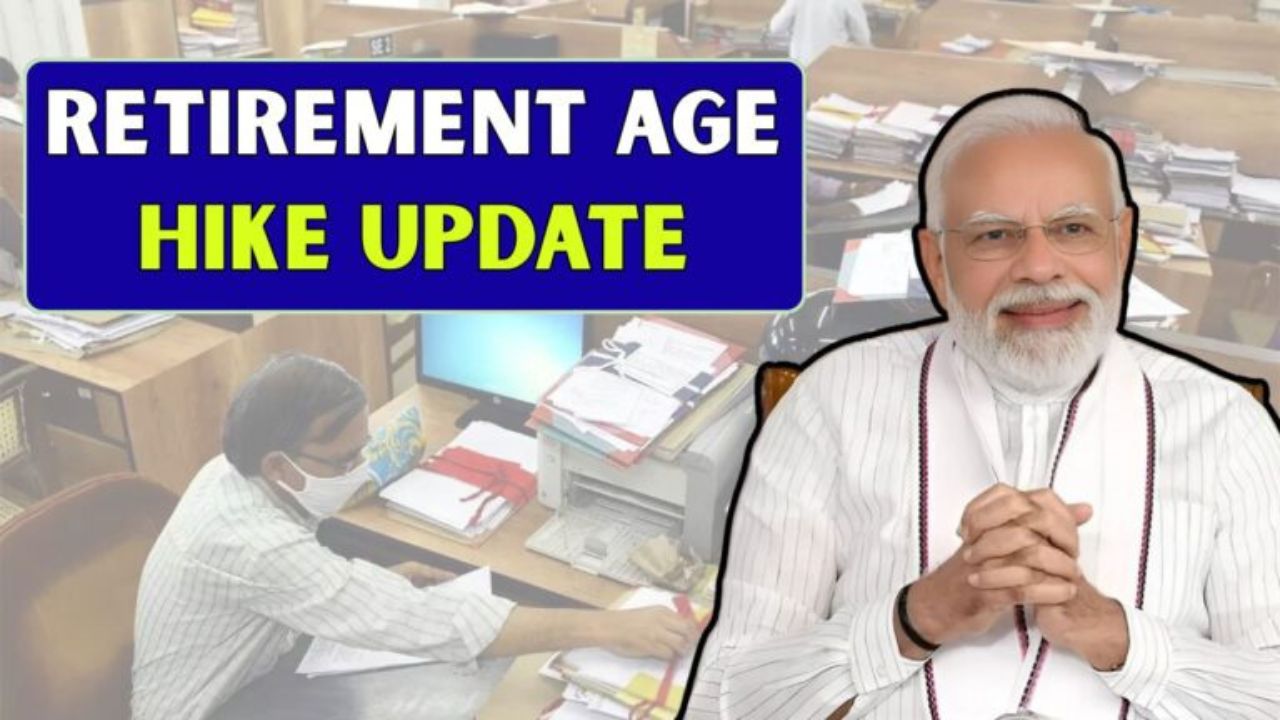
In a major policy decision, the government has announced an increase in the retirement age for its employees, granting a two-year service extension. The move is expected to impact thousands of government workers and brings significant changes to service tenure, retirement planning, and workforce management.
What the Retirement Age Increase Means
Under the revised rules, government employees will now retire two years later than the earlier prescribed age. This extension allows employees to continue in service for a longer period, providing additional job security and income stability. The change applies across eligible government departments as per the updated policy framework.
Reason Behind the Government’s Decision
The retirement age increase has been introduced to address workforce requirements, retain experienced personnel, and reduce pressure on pension systems. With longer life expectancy and evolving administrative needs, the government aims to make better use of skilled and experienced employees by extending their service period.

Who Will Benefit From the 2-Year Extension
The extension primarily benefits serving government employees who are nearing retirement age. Those already in service and covered under the revised rules will be allowed to continue working for the additional two years, subject to standard service conditions and performance requirements.
Impact on Salary and Service Benefits
With the extended service period, employees will continue to receive their regular salary and applicable allowances for two more years. This also contributes positively to overall service records, which may influence pension calculations and other post-retirement benefits depending on existing rules.

Effect on Retirement Planning
For many employees, the change alters long-term retirement planning. Individuals who were preparing for retirement will now have additional time to build savings, reassess financial goals, and strengthen retirement security. However, personal retirement timelines may need to be adjusted accordingly.
Implications for Promotions and Recruitment
The retirement age extension may temporarily slow down new recruitment and promotion cycles, as senior employees remain in service longer. While this helps retain experience, it may also require departments to rebalance workforce planning to accommodate career progression for younger staff.

Employee Response to the Announcement
The decision has largely been welcomed by government employees, particularly those close to retirement. Many view the extension as a positive step that provides financial relief and professional continuity, while others are evaluating how the change fits into their personal and career plans.
What Employees Should Do Now
Government employees are advised to review updated service rules and official department communications. Understanding how the retirement age increase applies to individual service records will help employees plan effectively and avoid confusion in the coming years.

Long-Term Significance of the Policy Change
The two-year retirement age extension reflects a broader shift in employment policies aimed at balancing experience, efficiency, and economic sustainability. Over time, the change is expected to influence workforce structure and retirement trends within the government sector.
Final Takeaway for Government Employees
The increase in retirement age and the two-year extension bring major relief and opportunity for government employees. While it extends working years, it also offers financial stability, continued professional engagement, and more time to prepare for life after retirement. Understanding the new rules will be key to making the most of this policy change.